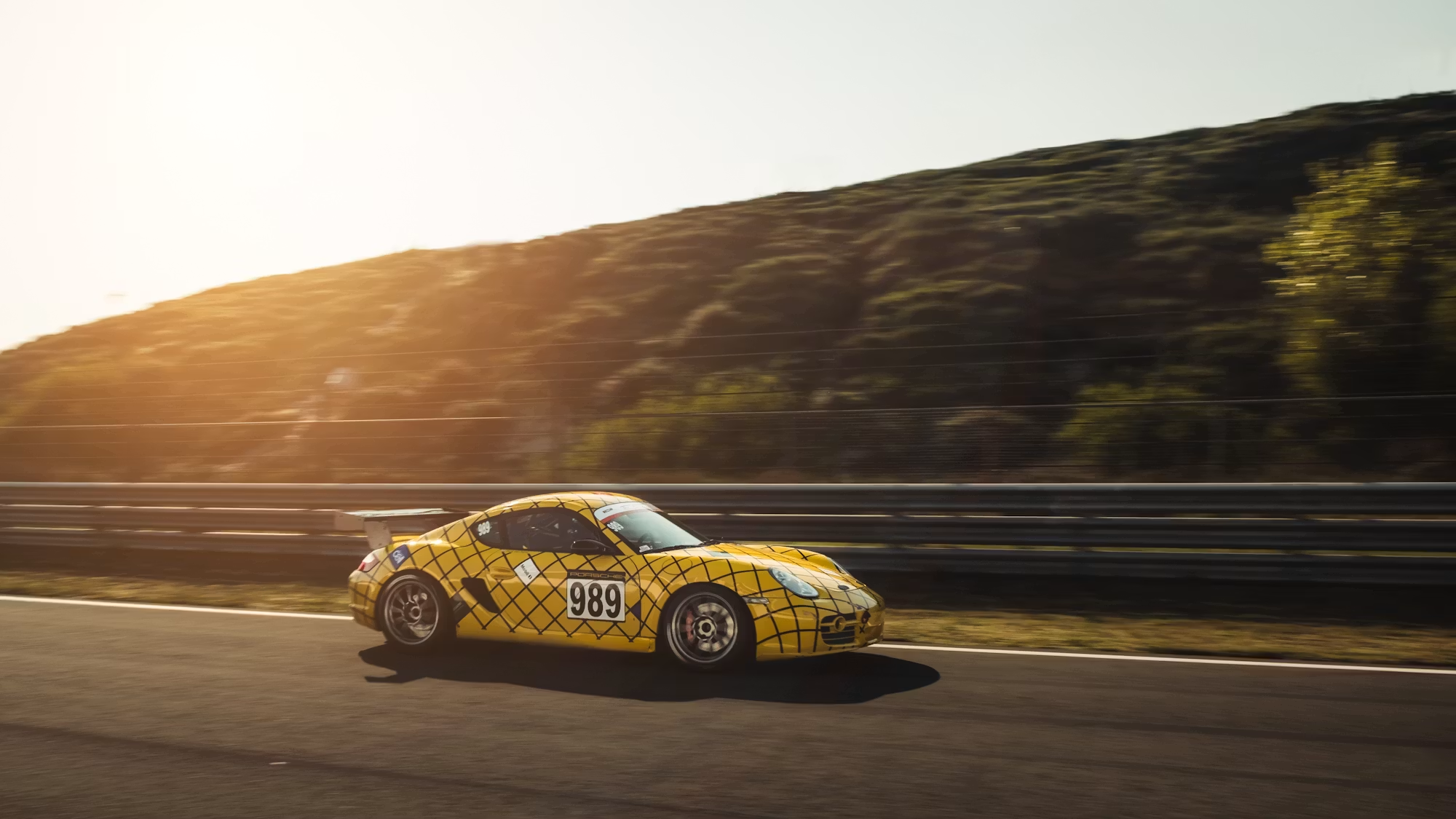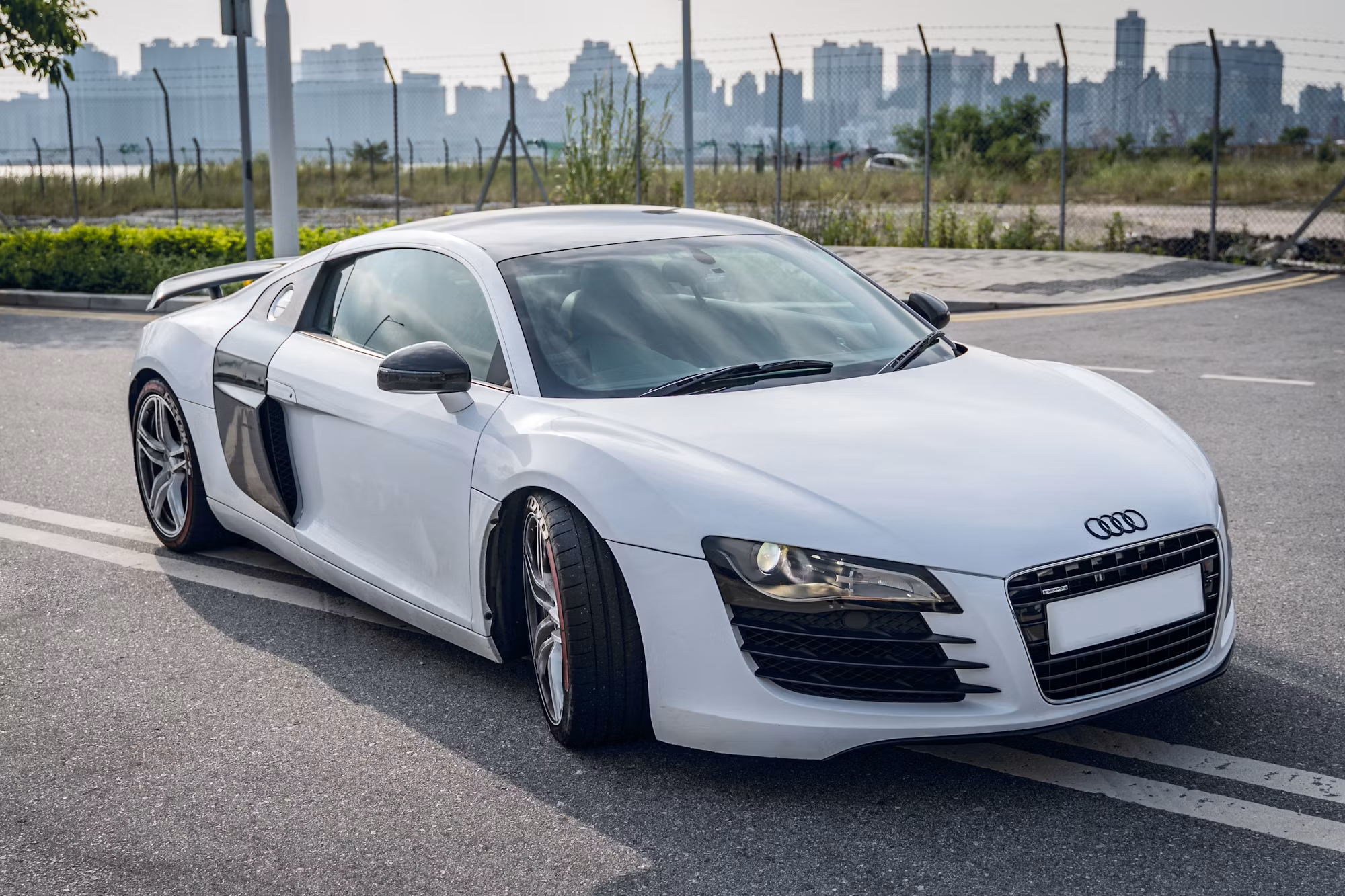
The world of supercars is a captivating blend of art and engineering, where aesthetics meet performance in an exhilarating dance of speed and luxury. These extraordinary machines are not merely vehicles; they are expressions of human creativity, innovation, and the relentless pursuit of perfection. In this article, we will explore how the intersection of design, technology, and performance engineering has shaped the modern supercar, creating vehicles that not only thrill the senses but also push the boundaries of what is possible on the road.
At the heart of every supercar lies a powerful engine, a marvel of engineering designed to deliver breathtaking performance. The engineering processes involved in developing these high-performance powertrains are complex and meticulous. For instance, the Ferrari 812 Superfast features a naturally aspirated V12 engine that produces an astonishing 789 horsepower. This engine is a testament to Ferrari’s commitment to performance and engineering excellence. Its design incorporates advanced technologies such as variable valve timing and a sophisticated intake system, allowing it to deliver power smoothly and efficiently.
Similarly, the Lamborghini Huracán showcases the importance of engineering in supercar performance. With a 5.2-liter V10 engine that produces up to 630 horsepower, the Huracán accelerates from 0 to 60 mph in just 3.2 seconds. The development of such engines involves extensive testing and refinement, ensuring that every component works harmoniously to deliver the ultimate driving experience. Manufacturers invest significant resources in research and development to achieve these remarkable feats, employing cutting-edge technologies such as computer simulations and wind tunnel testing to optimize performance.
However, performance is not solely about the engine; it encompasses the entire vehicle. The chassis, suspension, and aerodynamics all play crucial roles in determining how a supercar handles on the road. For example, the McLaren 720S is equipped with a lightweight carbon fiber monocoque chassis that enhances rigidity while reducing weight. This design philosophy allows for superior handling and agility, making the 720S a joy to drive on both the road and the track.
Aerodynamics is another critical aspect of supercar design. Manufacturers meticulously shape the body of these vehicles to minimize drag and maximize downforce, ensuring stability at high speeds. The Bugatti Chiron, for instance, features an active aerodynamic system that adjusts various components based on speed and driving conditions. This innovative technology allows the Chiron to achieve remarkable performance while maintaining exceptional handling and control. The balance between aerodynamic efficiency and aesthetic appeal is a fine line that designers must navigate, resulting in some of the most visually striking vehicles on the market.
In addition to engineering excellence, the artistry involved in supercar design cannot be overlooked. The aesthetic appeal of these vehicles often draws enthusiasts in, creating a visceral connection between the driver and the car. Iconic models like the Aston Martin DBS Superleggera exemplify the marriage of form and function, with their sleek lines and elegant contours. The design process involves collaboration between engineers and designers, ensuring that each element serves a purpose while contributing to the overall beauty of the vehicle.
Customizability has also become a hallmark of the supercar industry. Many manufacturers now offer extensive options for personalization, allowing owners to tailor their vehicles to their individual tastes. From bespoke paint finishes to custom interior materials, this level of personalization enhances the ownership experience, making each supercar unique. Brands like Pagani take this a step further, offering near-limitless options for customization, which is a testament to their commitment to craftsmanship and individuality.
The digital age has brought about significant changes in how supercars are designed and engineered. Advanced computer-aided design (CAD) software allows manufacturers to create highly detailed models and simulations, streamlining the development process. Additionally, data analytics plays a vital role in understanding performance metrics and improving vehicle dynamics. For example, the use of telemetry systems in vehicles like the Porsche 911 Turbo S enables engineers to gather real-time data on performance, allowing for continuous improvements and refinements.
Moreover, the rise of hybrid and electric powertrains is revolutionizing the supercar segment. These technologies present new challenges and opportunities for engineers and designers alike. The Ferrari SF90 Stradale exemplifies this shift, combining a twin-turbo V8 engine with three electric motors to create a powerful hybrid supercar. This approach not only enhances performance but also reduces emissions, aligning with the growing demand for environmentally conscious vehicles. As the automotive industry continues to evolve, the integration of hybrid and electric technologies in supercars will undoubtedly shape their future.
The supercar community is thriving, with enthusiasts and collectors who share a deep appreciation for these exceptional vehicles. Car shows, track events, and club gatherings provide opportunities for owners to connect and celebrate their passion for performance engineering. This sense of community fosters a culture of camaraderie and collaboration, where enthusiasts exchange knowledge and experiences, further enriching the supercar experience.
The excitement surrounding supercars extends beyond performance; it encompasses the thrill of driving and the emotional connection that comes with owning such an extraordinary machine. For many, the experience of sitting behind the wheel of a supercar is a dream realized. The sound of a revving engine, the feeling of acceleration, and the sight of a breathtaking design all contribute to the unparalleled joy of driving a supercar.
In conclusion, the evolution of supercars is a fascinating narrative that highlights the intricate balance of art and engineering. These vehicles are not just machines; they are the culmination of innovation, creativity, and a passion for performance. As manufacturers continue to push the boundaries of design and technology, the future of supercars promises to be even more exciting. With advancements in hybrid and electric technologies, the integration of cutting-edge materials, and the commitment to craftsmanship, supercars will remain a symbol of automotive excellence for years to come. The journey of supercars is an ongoing saga, one that captivates the hearts of enthusiasts and inspires future generations of engineers and designers.