Supercars have long captured the imagination of automotive enthusiasts and casual fans alike. These extraordinary machines represent the pinnacle of engineering, combining breathtaking design with unparalleled performance. As we embark on a journey through the world of supercars, we will explore their evolution, the cutting-edge technologies that power them, and the artistry behind their design, all while uncovering what makes them a true passion for many.
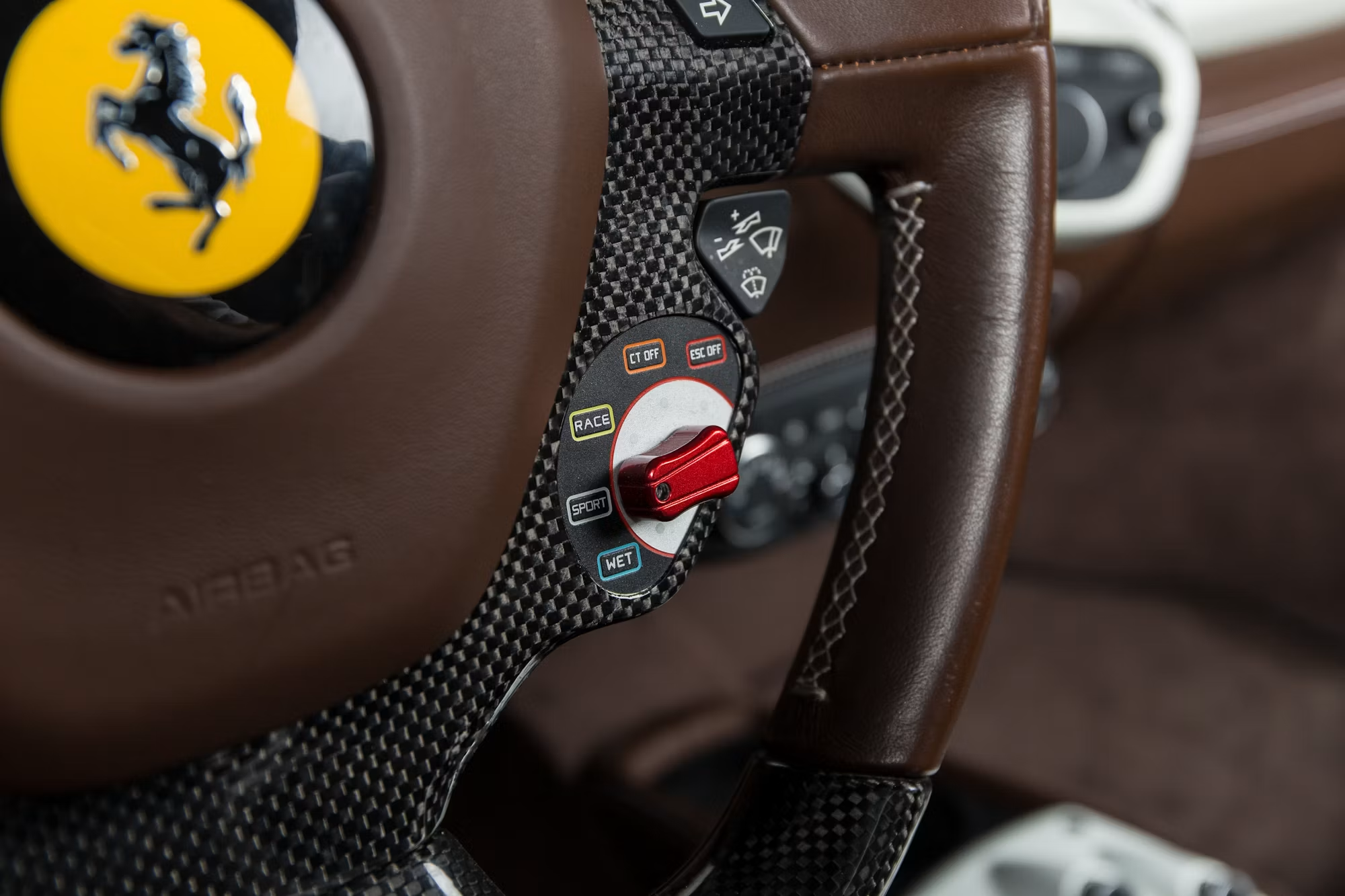
The allure of supercars can be traced back to their roots in racing. Brands like Ferrari, Lamborghini, and Porsche emerged from the desire to create vehicles that could dominate the racetrack. For example, Ferrari’s history is steeped in motorsport, with iconic models like the 250 GTO becoming legends both on the road and in racing history. This legacy continues to influence the brand’s contemporary offerings, such as the Ferrari F8 Tributo and the LaFerrari, which embody the same spirit of competition and excellence that defined their predecessors.
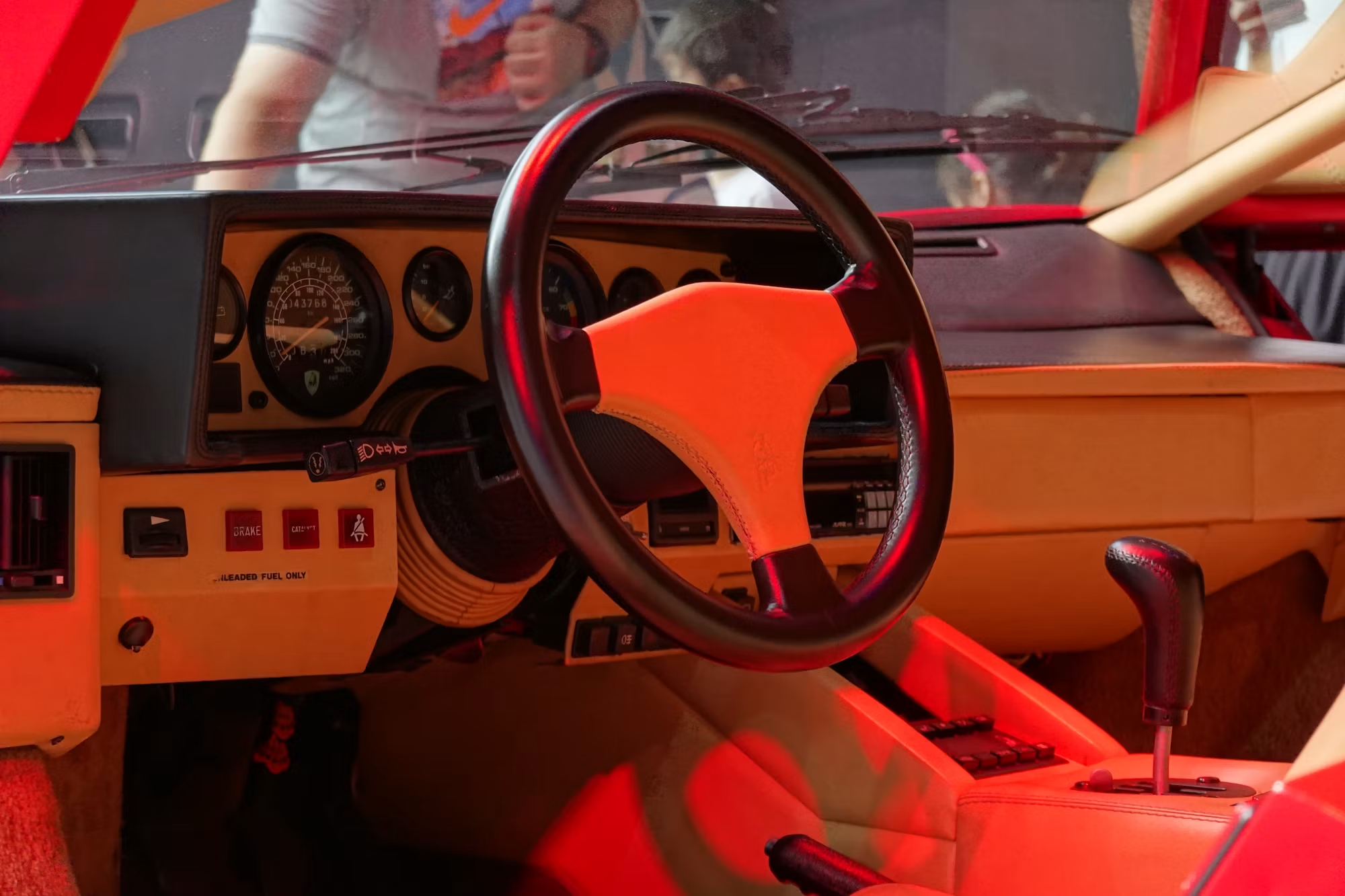
Lamborghini, with its bold and aggressive styling, has carved out a unique niche in the supercar market. Models like the Aventador and Huracán showcase the brand’s commitment to striking design and high-performance engineering. The signature angular lines and dramatic silhouettes of these vehicles make them instantly recognizable. Moreover, Lamborghini’s focus on power is evident in the roaring V12 engines that propel these machines to exhilarating speeds, ensuring that the thrill of driving a Lamborghini is second to none.
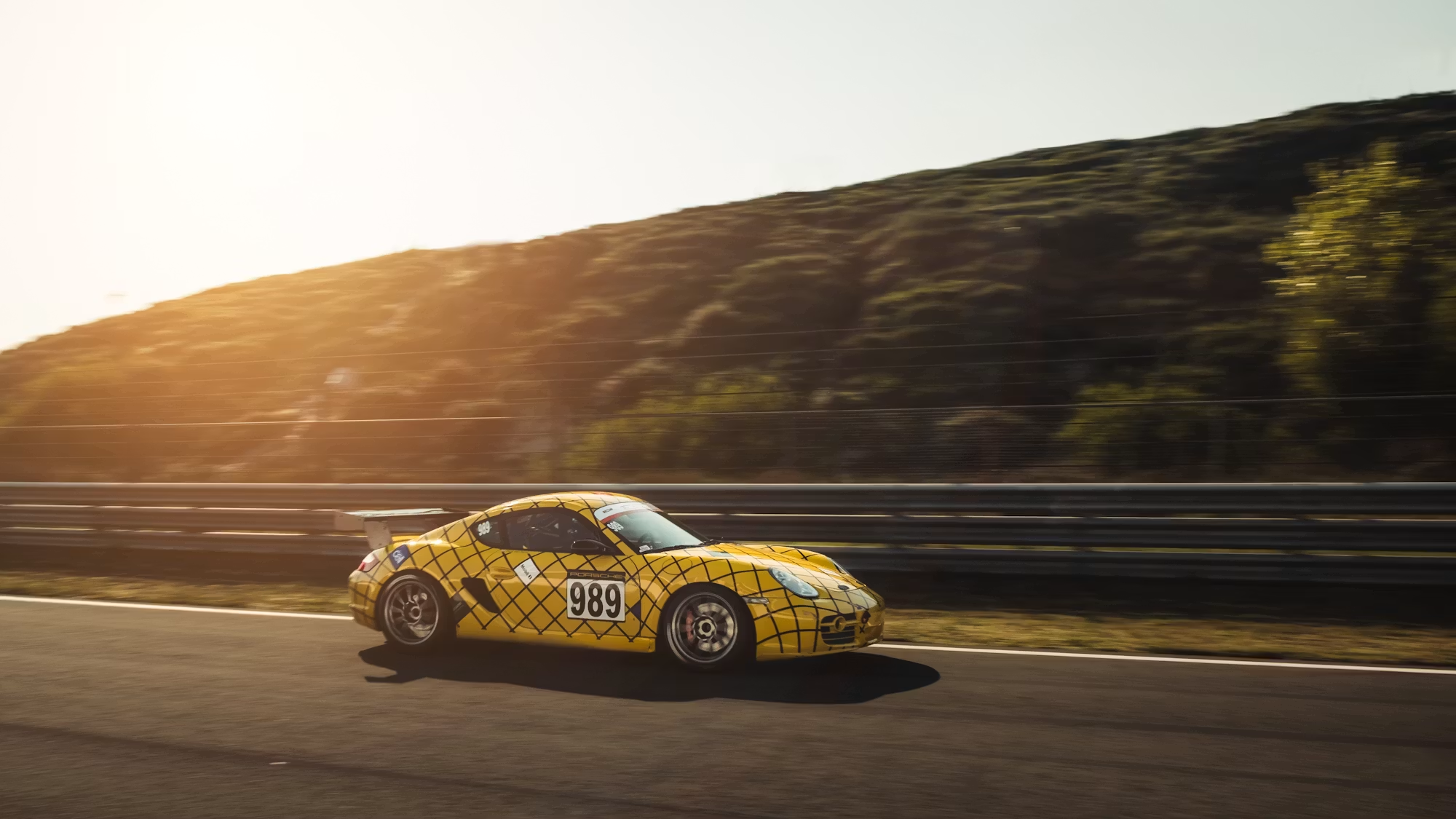
Porsche, on the other hand, takes a more understated approach, blending performance with everyday usability. The Porsche 911 Turbo S exemplifies this philosophy, delivering a perfect balance of speed, handling, and comfort. With its iconic shape and precision engineering, the 911 has become a benchmark in the sports car segment. The 918 Spyder further exemplifies Porsche’s commitment to innovation by combining a high-performance V8 engine with an electric powertrain, showcasing how the brand embraces hybrid technology without sacrificing performance.
In recent years, supercars have evolved significantly, with an increasing emphasis on sustainability and advanced technology. As concerns about environmental impact grow, manufacturers are turning to hybrid and electric powertrains to reduce emissions while maintaining the performance levels that enthusiasts expect. The Rimac C_Two, for instance, is a fully electric hypercar that delivers astonishing performance figures, including a 0-60 mph time of just 1.85 seconds. This groundbreaking vehicle proves that electric technology can provide the thrilling acceleration and handling that supercar aficionados crave.
Equally impressive is the Mercedes-AMG One, which brings Formula 1 technology to the road. Utilizing a hybrid powertrain derived from F1 racing, the AMG One showcases how motorsport innovations can trickle down to consumer vehicles. With a top speed exceeding 200 mph and exceptional handling capabilities, this hypercar illustrates the exciting future of performance vehicles, where cutting-edge technology meets high-speed thrills.
The design of supercars is an art form in itself, requiring a harmonious blend of aesthetics and functionality. Manufacturers invest heavily in research and development to ensure that their vehicles not only look stunning but also perform optimally. Advanced aerodynamics play a crucial role in this process, with designs often featuring active aerodynamic elements that adjust based on speed and driving conditions. The McLaren P1, for example, utilizes sophisticated aerodynamic features to enhance downforce and stability, ensuring that it remains glued to the road at high speeds.
Materials used in supercar construction have also evolved, with manufacturers opting for lightweight and durable materials like carbon fiber and titanium. This shift not only reduces the overall weight of the vehicles but also enhances their performance and handling characteristics. Koenigsegg is a prime example of this trend, utilizing advanced materials and engineering techniques to create vehicles like the Jesko, which focuses on extreme performance and agility.
The interior of supercars is equally impressive, combining luxury with cutting-edge technology. High-quality materials, customizable options, and advanced infotainment systems create an environment that caters to the desires of discerning drivers. Brands like Aston Martin and Bugatti have set high standards for interior design, offering features such as bespoke leather upholstery and state-of-the-art sound systems. The Aston Martin DBS Superleggera, for instance, provides an immersive driving experience, blending performance with a luxurious ambiance that delights the senses.
Moreover, the integration of smart technology is transforming how drivers interact with their vehicles. Features such as adaptive cruise control, lane-keeping assistance, and real-time performance data enhance the driving experience and contribute to safety. These innovations allow drivers to enjoy the thrill of high-performance vehicles while benefiting from modern conveniences that make everyday driving more enjoyable.
As we look to the future, the supercar segment is poised for further evolution. Manufacturers are continuously pushing the boundaries of performance and technology, exploring new ways to improve efficiency and enhance the driving experience. The emergence of autonomous driving technology may also play a role in the future of supercars, with companies like Tesla leading the charge in this area. While purists may debate the merits of fully autonomous vehicles, the integration of semi-autonomous features in supercars could provide added convenience without compromising the thrill of driving.
Another exciting trend is the rise of customization and personalization in the supercar market. As wealth continues to grow, manufacturers are increasingly offering bespoke options that allow buyers to tailor their vehicles to their specific tastes. Brands like Pagani and Bugatti have long embraced this philosophy, providing customers with the opportunity to select unique materials, finishes, and features that reflect their individuality. This trend not only enhances the exclusivity of these vehicles but also elevates the ownership experience, making each supercar truly one-of-a-kind.
In conclusion, the world of supercars is a captivating blend of design, performance, and innovation. As manufacturers continue to evolve and adapt to changing consumer preferences and technological advancements, the future of supercars promises to be even more exciting. From the legacy of racing to the embrace of sustainability, these extraordinary machines remain symbols of automotive excellence, captivating the hearts and minds of enthusiasts around the globe. With each new model, supercar manufacturers not only honor their heritage but also pave the way for a thrilling and sustainable future in the automotive industry.